Anna Ehrenstein
The Language of the Soil
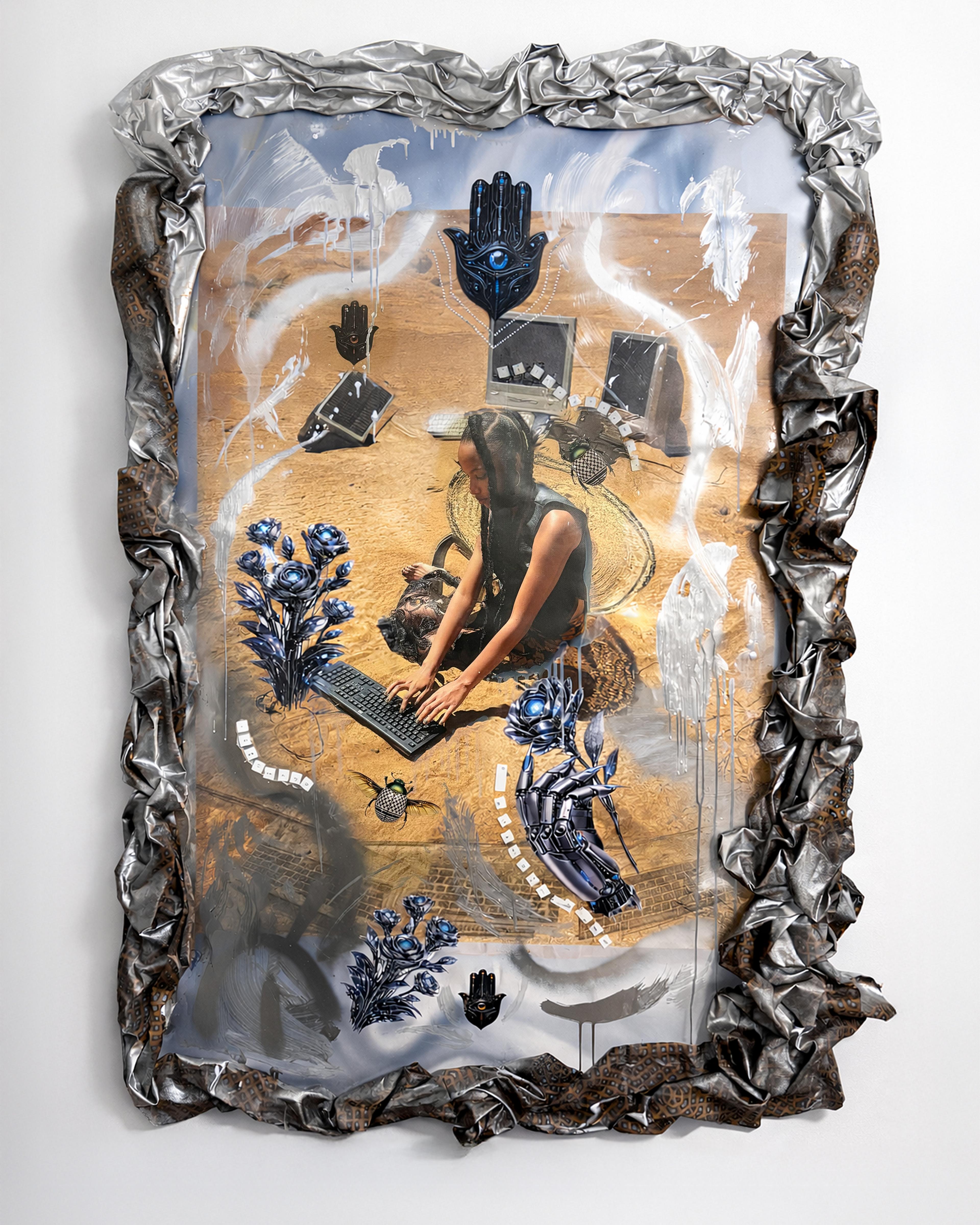
Who keeps AI running – and what impact does this labor have on those who perform it? In The Language of the Soil, Anna Ehrenstein takes up this very question.
The project was developed in close collaboration with researcher Ariana Dongus as well as activists and worker-researchers Richard Mathenge, Mophat Okinyi, and Fasica Berhane – all of whom have worked as digital platform laborers themselves and connected Ehrenstein with further workers and stakeholders on the ground.
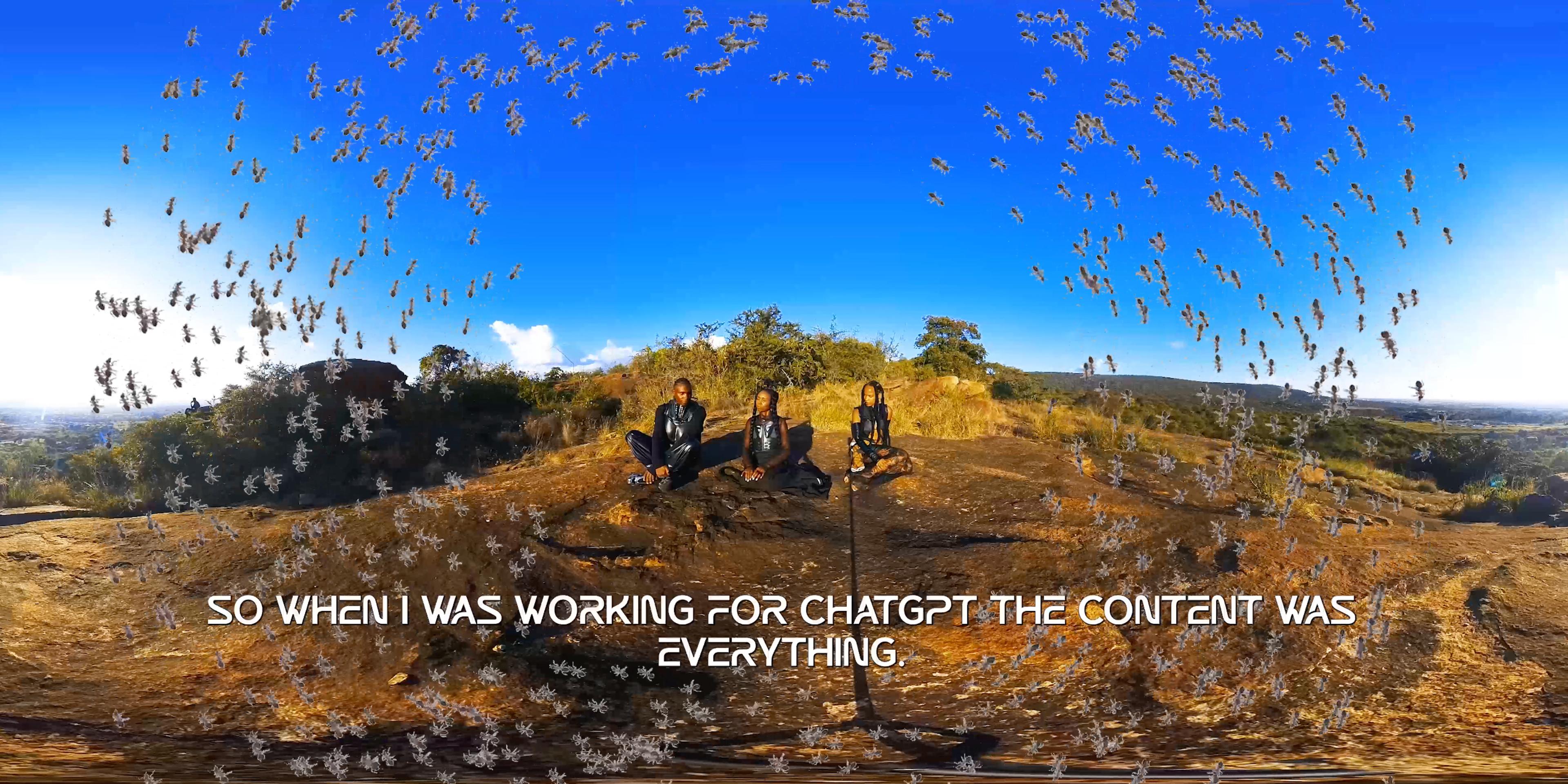
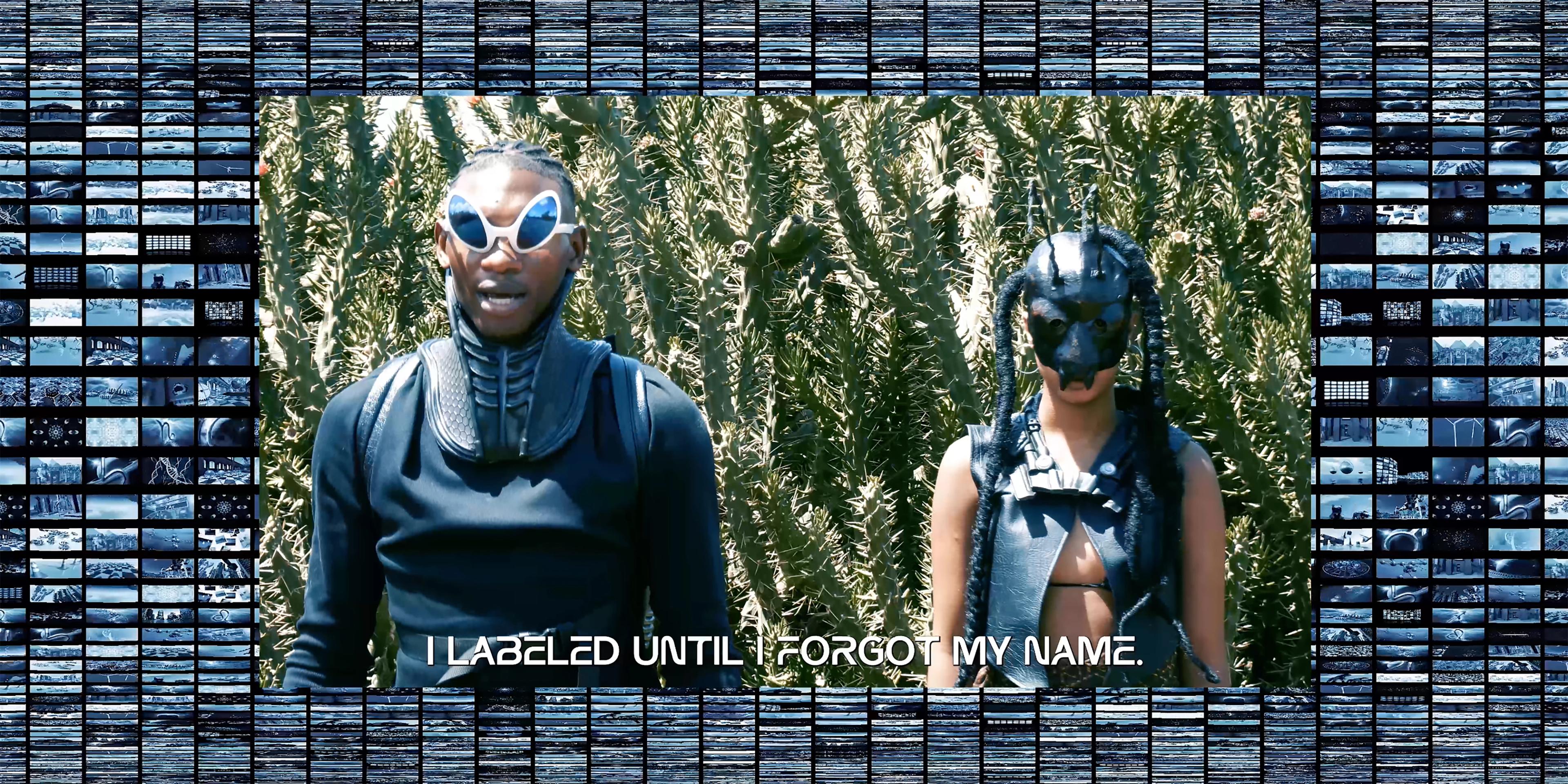
Set within a hybrid mythological landscape, the multisensory exhibition renders tangible the interplay of (post-)colonial continuities, global economies, and the invisible labor that underpins algorithms. At its core are the individuals in Nairobi who train large language models, and copywriters in Cairo producing content for OnlyFans.
“My work understands artistic research as collective knowledge production. In The Language of the Soil, the focus is not on individual insight or ‘artificial’ intelligence, but on shared intelligence – on knowledge that forms between people, technologies, and stories, like light reaching many eyes.”
In Ehrenstein’s practice, soil represents both origin and trace – the often invisible residues of labor. It embodies the material foundations upon which digital economies are built, while also pointing to the persistence of historical hierarchies and exploitative structures that continue to shape today’s global labor and data economies. The ground becomes a symbol of the entanglement of human, nature, and technology – a starting point for artistic reflection and collective fiction.
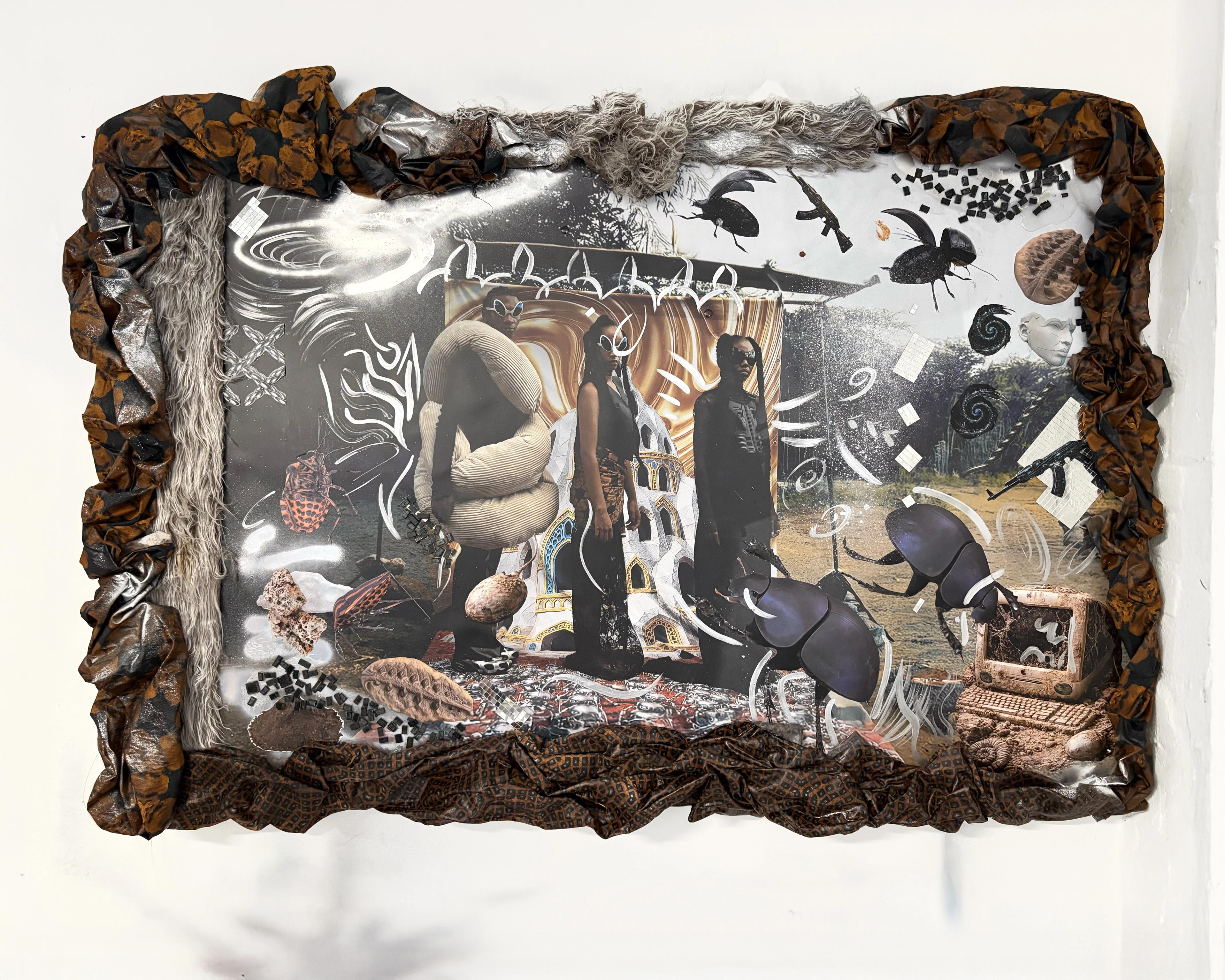
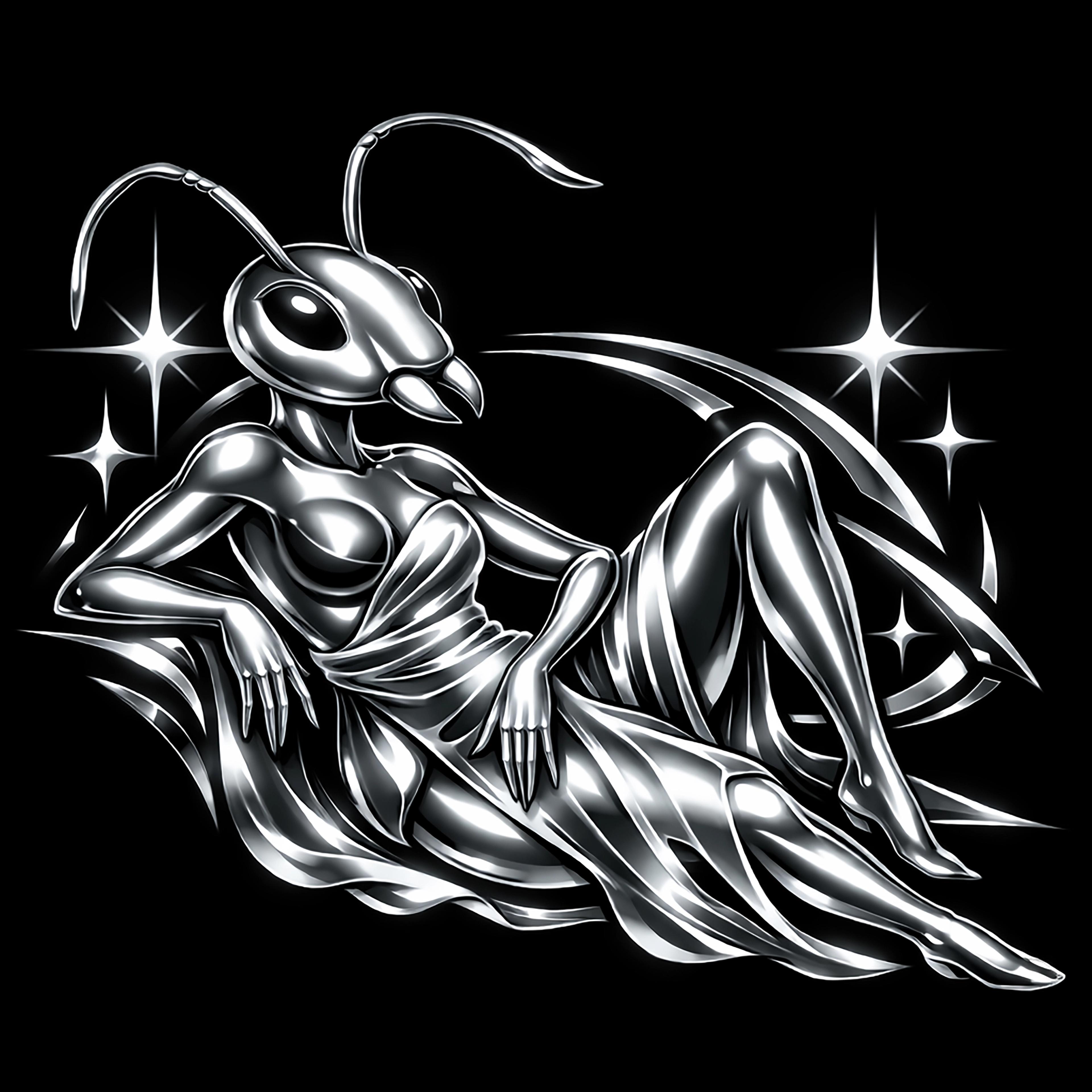
You are invited to trace the conditions of this form of digital labor, to recognize the marks of human work embedded within technological systems, and to reflect on your own position within these structures. At the same time, the exhibition raises urgent questions about solidarity, agency, and resistance in an increasingly automated world.
CREDITS
The Language of the Soil was developed in collaboration with the researchers Ariana Dongus, Richard Mathenge, Mophat Okinyi, and Fasica Berhane, and was made possible, in part, through the support of Fotografiska Berlin. With contributions by Ibrahim Ahmed (artist), Dalton Odiyo (designer), and Zana Hoxha (weaver). The exhibition was curated by Thomas Schäfer, Director of Exhibitions at Fotografiska Berlin, in close collaboration with the artist.
ABOUT THE ARTIST
Anna Ehrenstein (b. 1993, Germany/Albania) works in transdisciplinary artistic practice with an emphasize on research, pedagogy and collaboration. Her practice encompasses lens-based media, installation, social moments, and writing.
She studied media art, photography and curation and has been teaching at various prestigious academies and institutions, amongst others Bard College, Technical University and UDK Berlin, Germany, Stellenbosch Academy South Africa or Photopia Cairo, Egypt. Born in Germany to Albanian parents with transottoman ancestry: Albanian, Turkish, Kosovar & Egyptian; she is interested in concepts of plasticity, creolisation, myths, islamic & proto-science fiction and popular culture. Her works circulate around the material culture of the periphery, networked images and ecologies in our interconnected state of prosumption. The materialization of intangible data is as much part of her installation process as community and collectivity.
Ehrenstein exhibited internationally and her work is found in public and private collections; amongst others the Museum of Modern Art Warszawa, the collection of the German State or the Fotomuseum Winterthur. She was awarded with the C/O Berlin Talent Award (2020) and was amongst others nominated for the Prix Pictet.
9 May 2026 — 20 Sep 2026
Anton Corbijn
Corbijn, Anton
Having celebrated his 70th birthday last year, Corbijn looks back on over five decades of work that spans photography, music videos, and film. the exhibition celebrates his 50-year career and revisits his extensive body of work. Here, you will encounter nearly 150 pieces: iconic portraits of legends like Depeche Mode, Tom Waits, U2, the Rolling Stones, Martin Scorsese, and Marlene Dumas, as well as German icons Nina Hagen, Herbert Grönemeyer, and Wim Wenders.
Learn more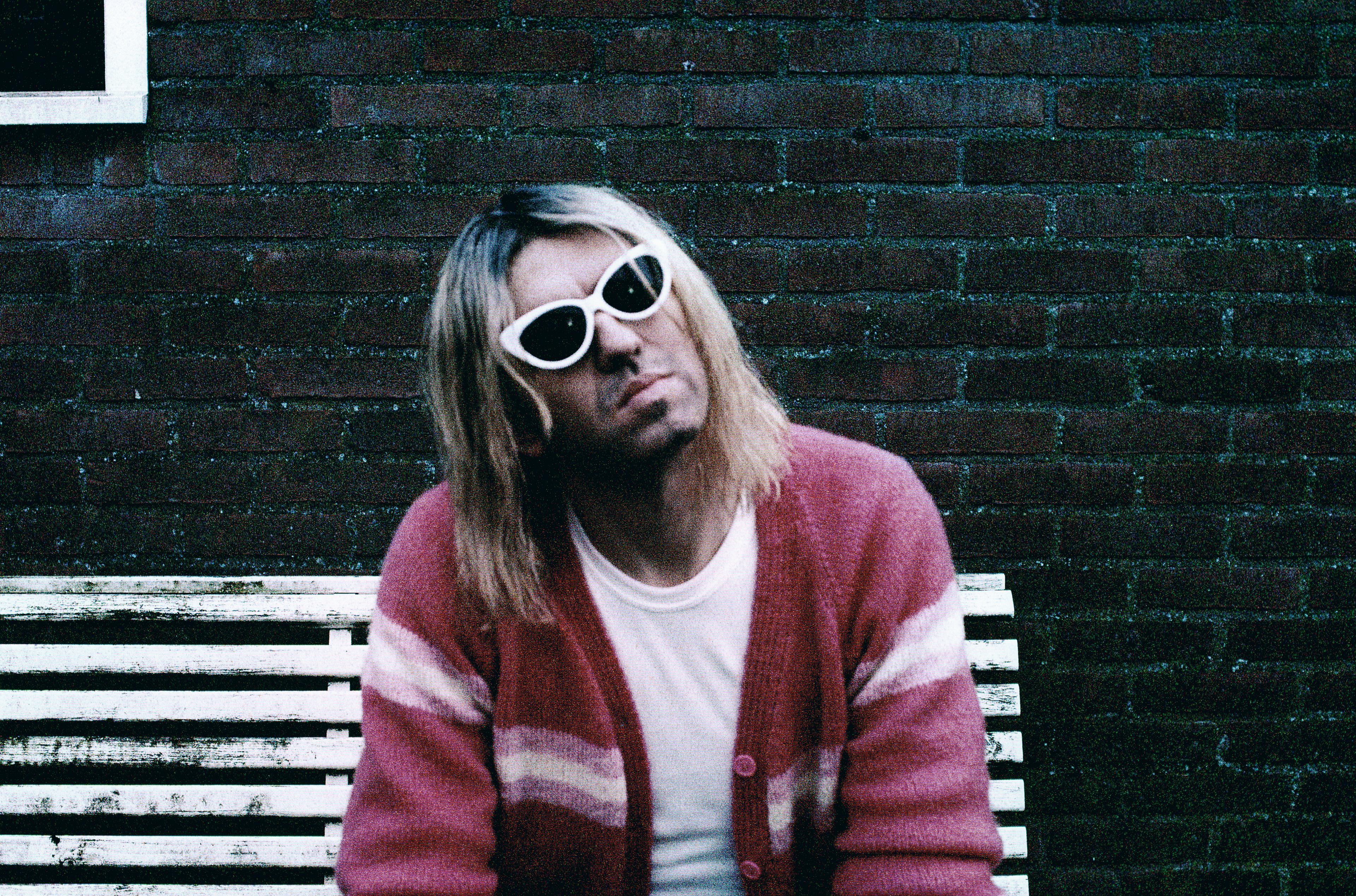
25 Apr 2026 — 23 Aug 2026
Bruce Gilden
Why These?
Bruce Gilden’s photos don’t flatter. They confront. A flash. A stare. A face you can’t forget. His subjects, outsiders, misfits, the overlooked, aren’t just photographed; they’re seen. His exhibition Why These? isn’t just a question about his work. It’s a question about us. Why do these images unsettle? Why do we avoid these gazes but still cannot look away?
Learn more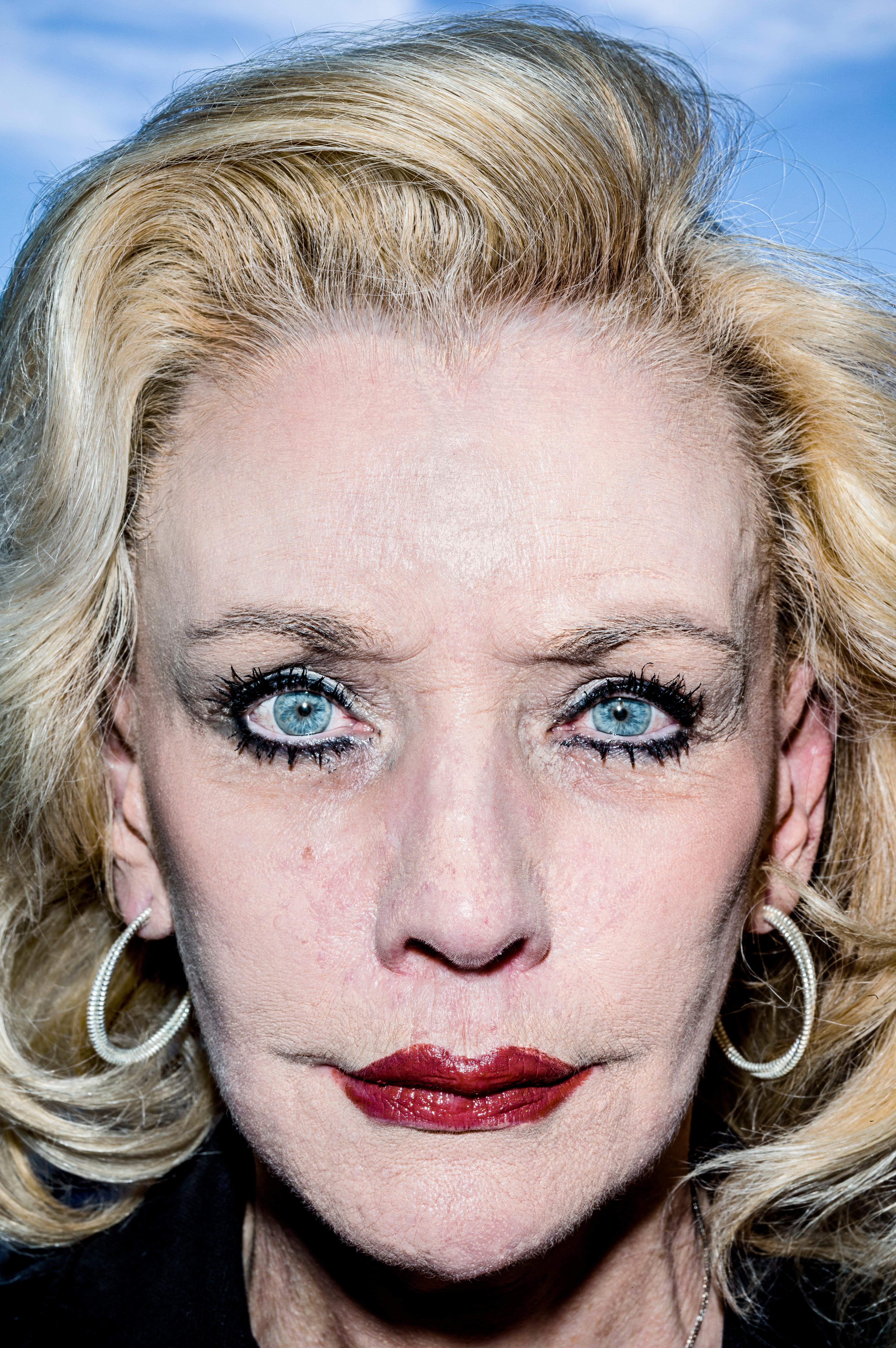
28 Mar 2026 — 31 May 2026
Phillip Toledano
Edward Trevor: Never Seen the Light
When does a photograph become more than just an image? When does it begin to tell stories or reveal truths? In "Never Seen The Light", American artist Phillip Toledano explores precisely this tension – between memory, fiction, and the persuasive power of photographic evidence.
Learn more