The Anonymous Project by Lee Shulman
No Place Like Home
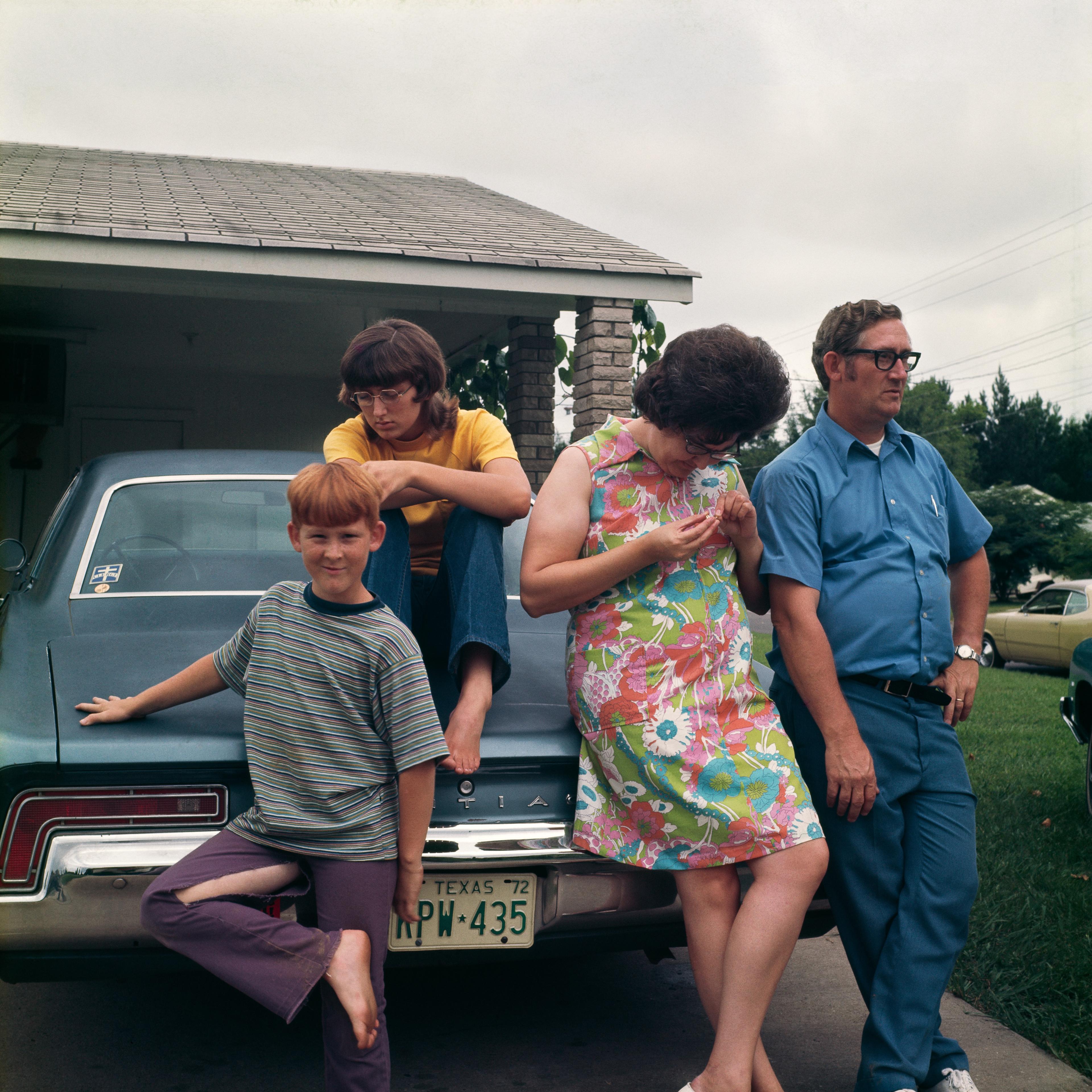
The gray-blue Pontiac in the garage might be new. They may have saved for it a long time, or taken out a loan. The father may have been away on a business trip for a few days, coming home only the evening before. Or maybe they just wanted to take the family photo for the Christmas card. We don't know the story behind the image. What we know is that it shows a family of four, gathered somewhere in Texas – the car's license plate, at least, points that way – to be photographed. And yet, with the exception of one red-haired boy, nobody is actually looking at the camera. Everyone is doing their own thing. It is the kind of photograph that stops you. Who took it remains unknown.
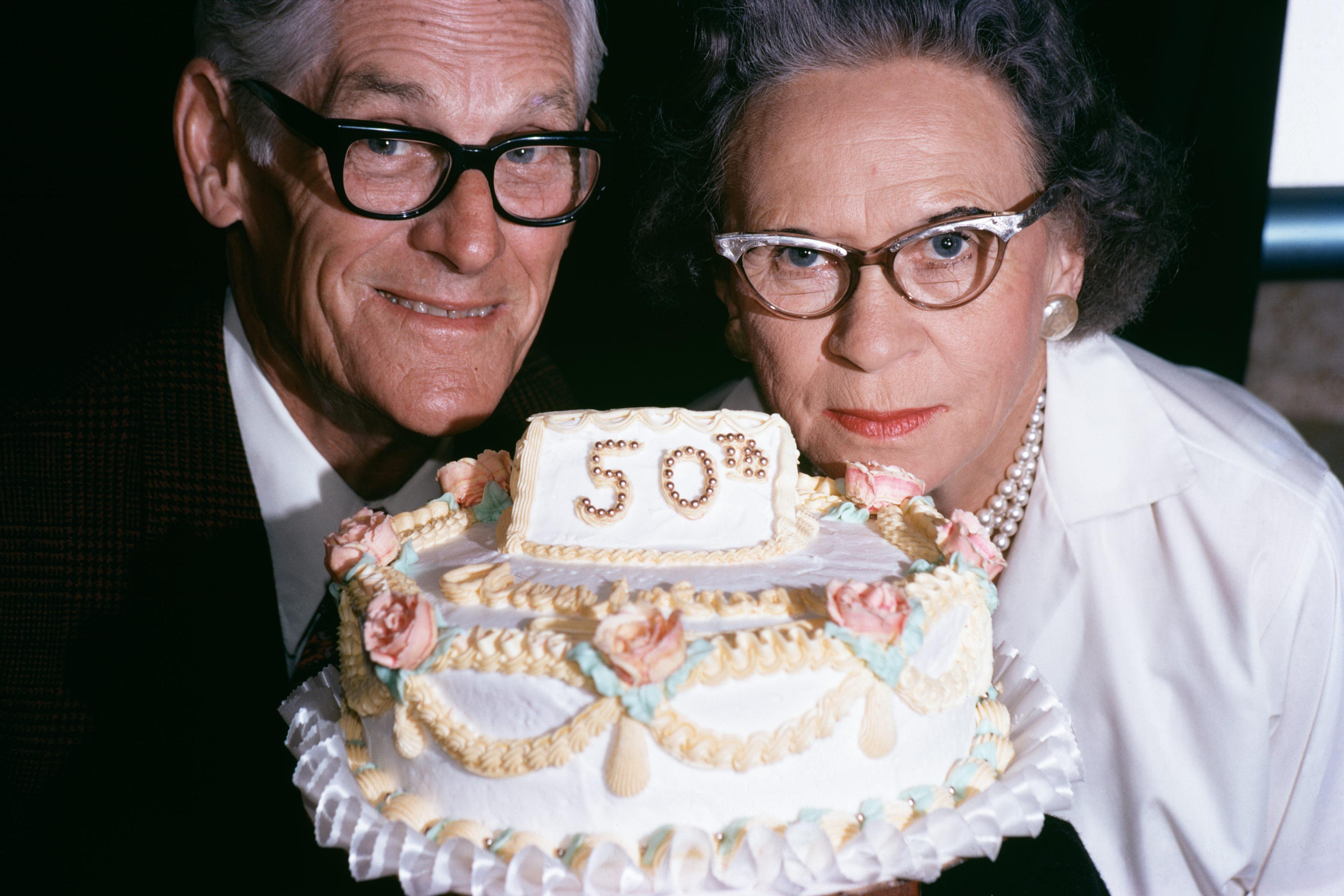
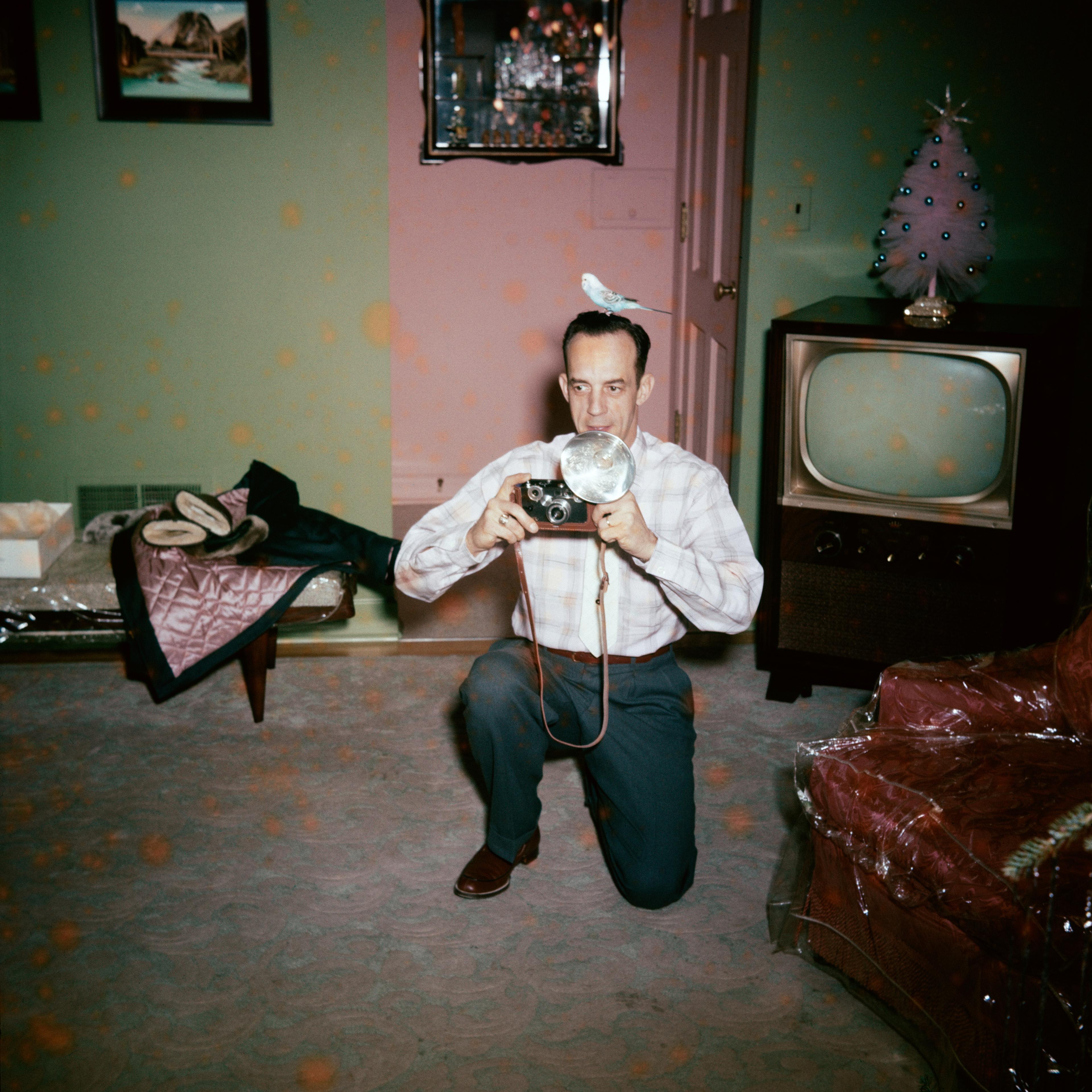
Lee Shulman, who lives and works in Paris, has spent years gathering roughly a million abandoned slides through The Anonymous Project, assembling what is now one of the largest private archives of analog amateur photography in the world. What motivates him is not a collector's impulse in the traditional sense, but something closer to a rescue mission: a conviction that these modest images hold something too valuable to be allowed to fade away.
With the exhibition, Shulman presents images that were never meant for public view. It is precisely that quality which gives them an honesty that staged photography seldom achieves. By removing names, dates and locations, he strips them of their privacy, while simultaneously transforming them into new, universal narratives. Because even if these pictures have nothing to do with the lives of the people now standing in front of them – somehow, they have everything to do with them.
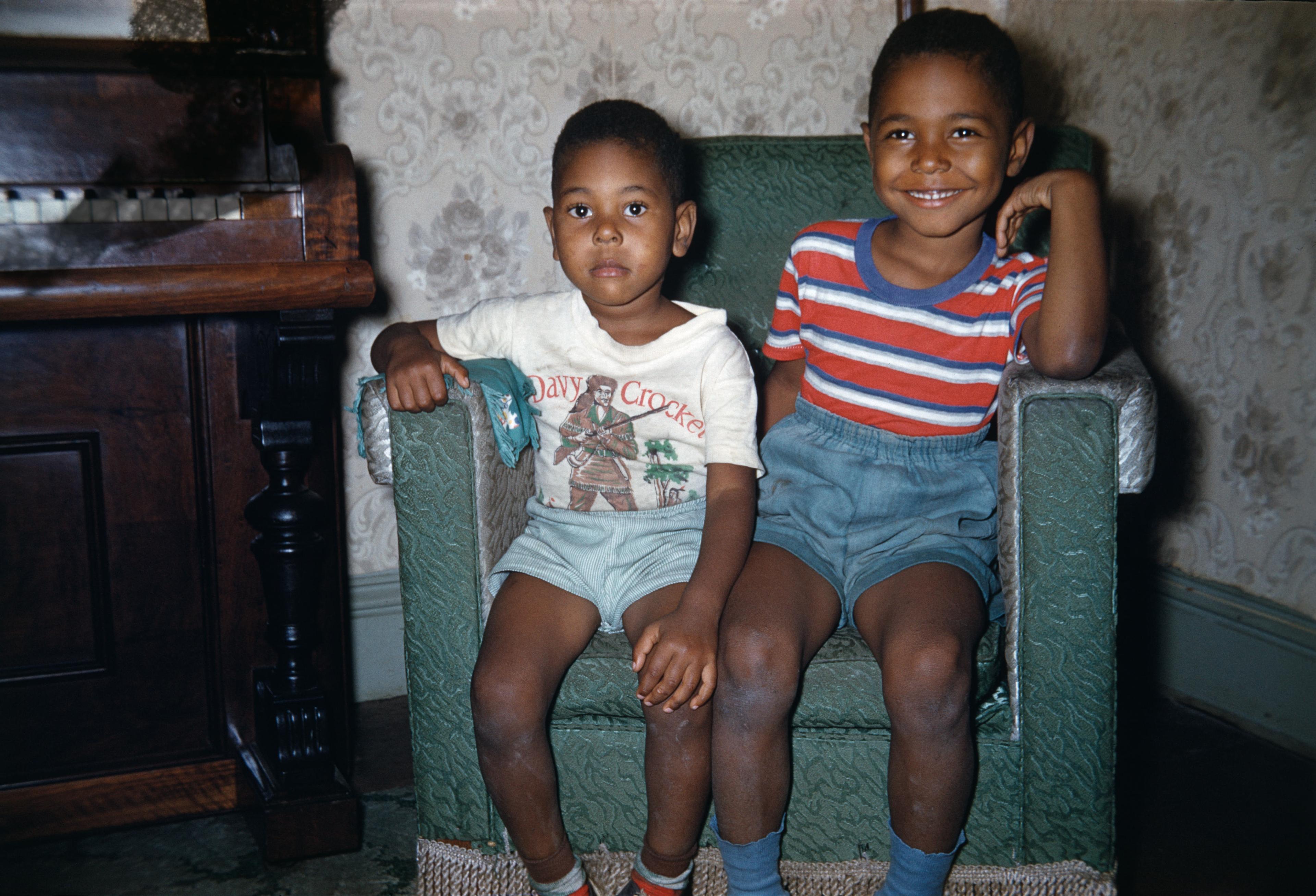
"What is beautiful about this project is that people feel the images belong to them. That could have been their husband, their wife, their grandparents, their childhood. They claim the photographs as their own. I've shown this project in countries where the culture is completely different – Korea, for instance. And even there, people would come up to me and say: this reminds me of something from my life. I have never once encountered someone who felt like a stranger to these pictures. We all know the moments they contain."
For No Place Like Home, he has chosen around 12,000 of these images and compressed them into an installation large enough to feel, quite literally, like a house you might have once lived in. Among the highlights are the so-called Totems: floor-to-ceiling, backlit structures composed of layer upon layer of photographs, which fill the completely darkened room with a warm, suffusing light. It is worth lingering. Something will always catch you. Maybe a quality of light or a glance. Or perhaps a thought: the people who once owned these photographs simply wanted to hold on to a moment. Shulman rescues those moments, but not for them. For the rest of us.
CREDITS
The exhibition was curated by Claire Ducresson-Boët, Exhibitions Manager at Fotografiska Berlin, in close collaboration with the artist. Images courtesy of Galerie Clémentine de la Féronnière.
ABOUT THE ARTIST
A multiple award-winning film director and artist, Lee Shulman (born in London, UK, 1973 – based in Paris, France) founded The Anonymous Project in 2017, shortly after buying his first box of anonymous Kodachrome slides Through curation and photographic transformation, Shulman reanimates these personal photographs, weaving them into compelling narratives that explore memory, family, love, and cultural shifts across generations. Collaboration is integral to his approach, and he has instigated many hybrid works. His work with Omar Victor Diop, for instance, sees him inserting the Senegalese photographer into family photos to create a new narrative in what was a racially segregated period in the USA. Shulman has published several books. In 2024, he directed I Am Martin Parr, a widely noted documentary about the British photographer.
Shop the exhibition
Explore items inspired by the Lee Shulman exhibition at Fotografiska Berlin.

