Phillip Toledano
Edward Trevor: Never Seen the Light
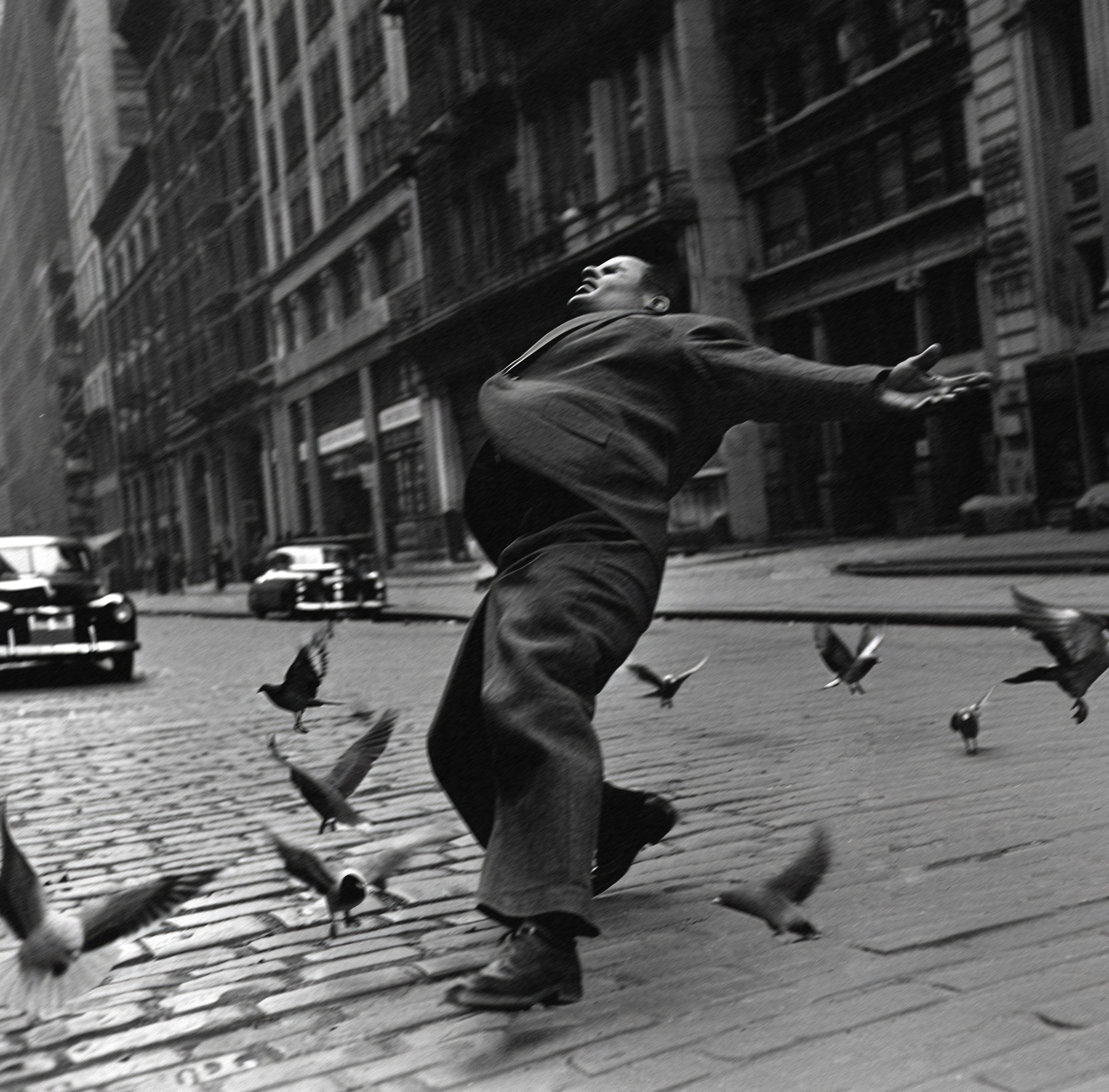
When does a photograph become more than just an image? When does it begin to tell stories or reveal truths? In Never Seen the Light, American artist Phillip Toledano explores precisely this tension – between memory, fiction, and the persuasive power of photographic evidence.
At first glance, the exhibition tells a completely unknown story. Toledano’s father, who worked as an actor under the stage name Edward Trevor, was also a painter and sculptor. After his death, a box of previously unseen negatives revealed to his son an entirely new perspective on his father’s work. The images are remarkable, depicting 1930s and 1940s New York with cinematic precision and a subtle sensitivity to the bizarre. What initially appears to be a family archive gradually unfolds into a layered reflection on authenticity and construction.
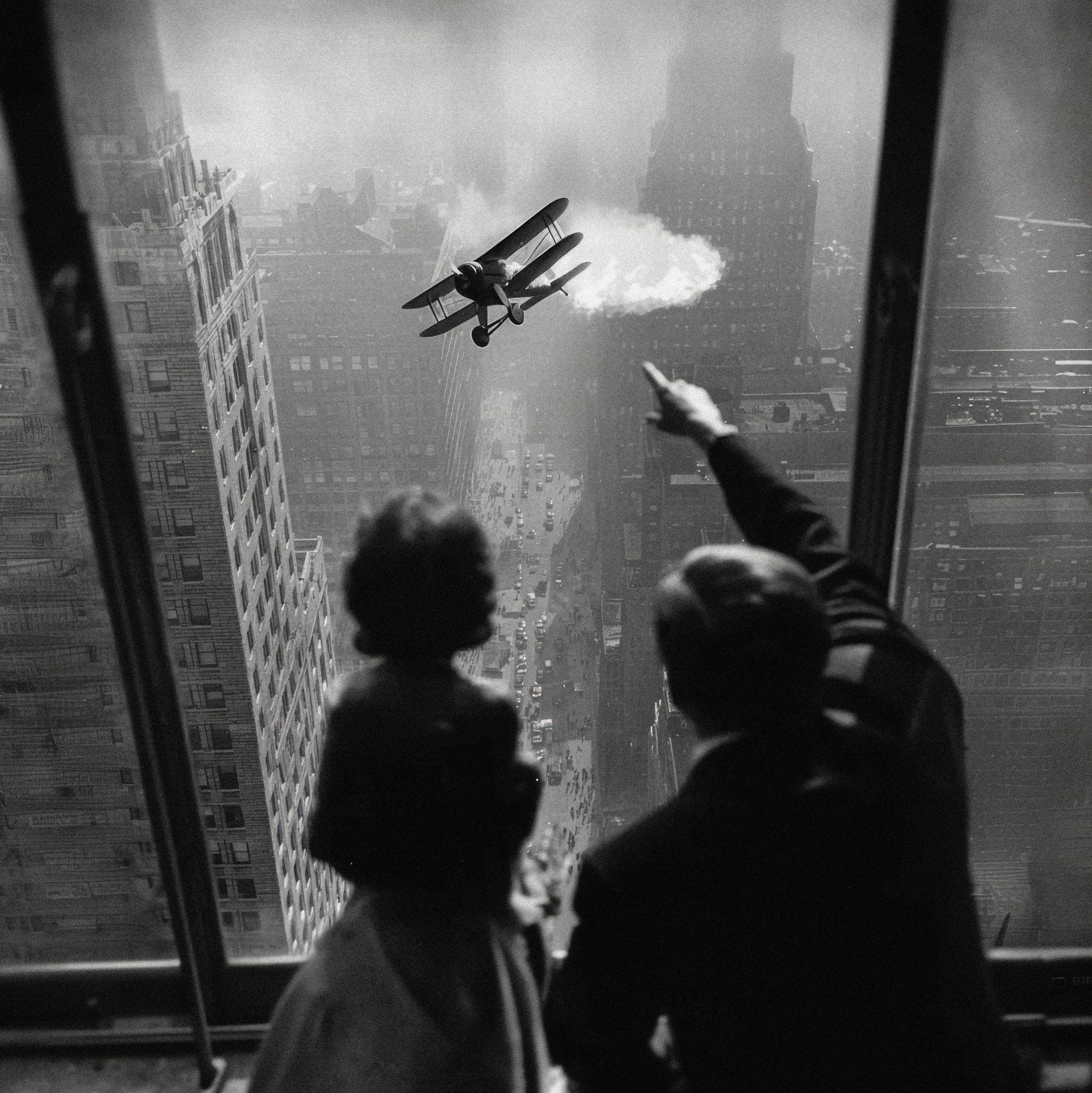
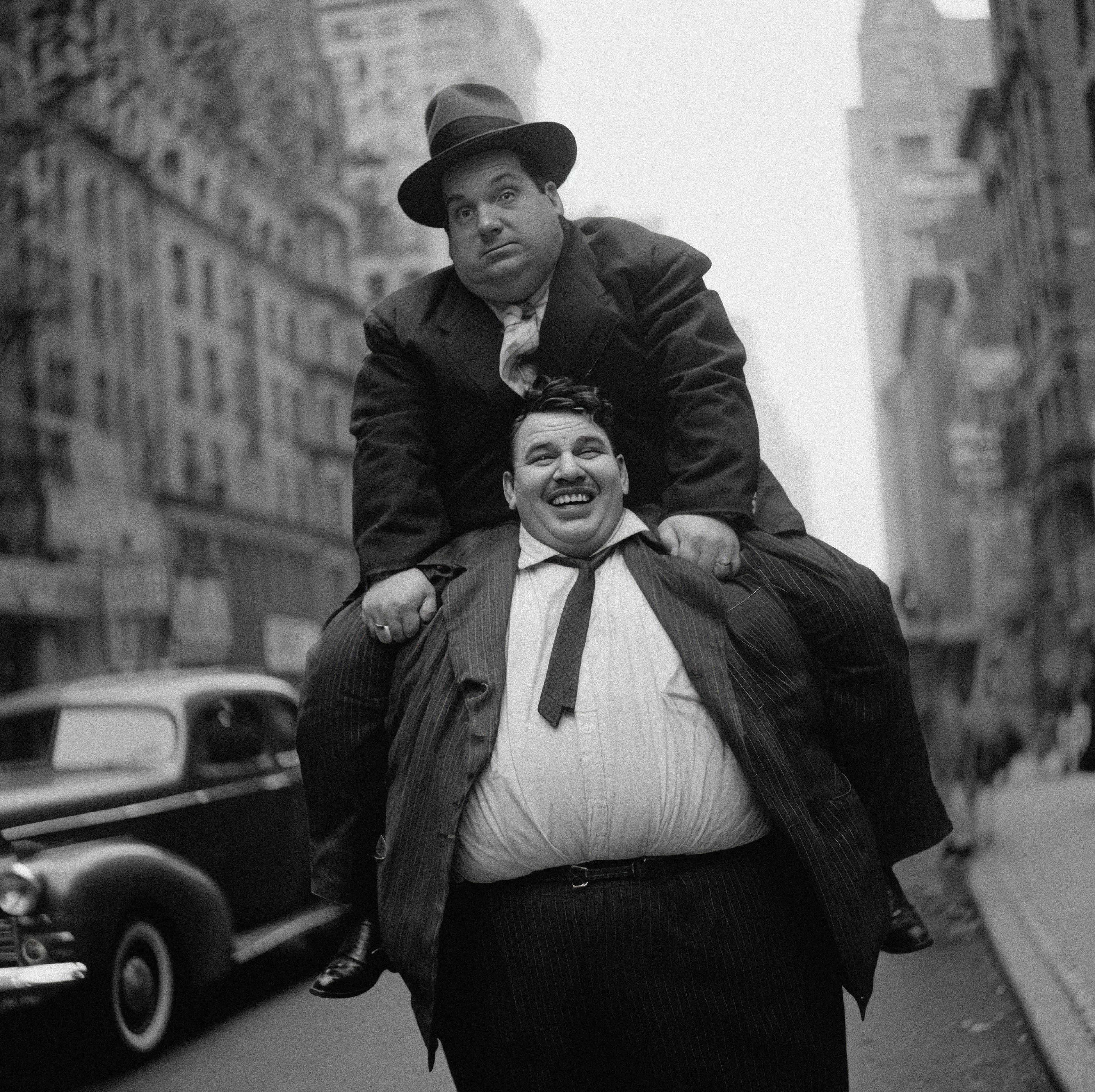
Edward Trevor was, in fact, never seen holding a camera. Toledano generated the entire series using artificial intelligence. Images emerged without an event, without a camera, without traditional witness – yet they appear as if they were visual evidence of a past reality. The project poses a grand “what if.” Visitors uncover this gradually, as Never Seen the Light begins like a conventional photography exhibition and only reveals its artificial DNA in the second half.
“Many people don’t understand how convincing AI can be. Some say it has no soul. But that’s exactly what people said about photography in the 1850s. The aim of this exhibition is to encourage visitors to immerse themselves in this imagined story – and then be surprised to discover that it holds beauty and emotion, even though everything was created by AI. I think that’s an important lesson, because in the future we will see more images filled with beauty and feeling that are nonetheless artificial. In fact, we already see them constantly – on Instagram, for example.” – Phillip Toledano
"Some say it has no soul. But that’s exactly what people said about photography in the 1850s."
Those who look closely may notice traces of AI in this exhibition as well: in several images, Toledano gently intervenes. Did that little boy just light a cigarette for a monkey? And why is a horse wandering through the city in the middle of the night? Certain motifs or perspectives also feel strangely familiar. Toledano has embedded Easter eggs within his images – subtle clues for attentive and initiated viewers.
But do we question them at all? Or do we trust the “evidence” hanging on the wall? The twenty works draw viewers in while prompting a more fundamental question: What makes an image believable – its origin, or our willingness to believe in it?
CREDITS
The exhibition was curated by Marie-Luise Mayer, Exhibitions Manager at Fotografiska Berlin, in close collaboration with the artist.
ABOUT THE ARTIST
Phillip Toledano (*1968, London) lives and works in New York. His practice spans photography, sculpture, installation, and the use of emerging technologies. At its core, his work explores questions of identity, memory, and truth, as well as the cultural narratives that shape how we perceive ourselves and others.
He gained international recognition with Days With My Father (2006–2009), a deeply personal body of work addressing dementia, loss, and familial bonds. In recent years, Toledano has established himself as a pioneer in the artistic use of artificial intelligence. For the past three years, he has been working extensively with AI and has published three books exploring speculative visual worlds that challenge the perceived “truth” of photographic images and question the authority of the photographic document.
In 2024, he presented We Are The War, a project imagining what the lost photographs of war photographer Robert Capa from the Normandy landings might have looked like. Earlier projects such as Another America and Another England also explored photographic parallel worlds.
His work has been exhibited internationally, including major solo exhibitions such as The Day Will Come When Man Falls at the Deichtorhallen Hamburg – Haus der Photographie.
9 May 2026 — 20 Sep 2026
Anton Corbijn
Corbijn, Anton
Having celebrated his 70th birthday last year, Corbijn looks back on over five decades of work that spans photography, music videos, and film. the exhibition celebrates his 50-year career and revisits his extensive body of work. Here, you will encounter nearly 150 pieces: iconic portraits of legends like Depeche Mode, Tom Waits, U2, the Rolling Stones, Martin Scorsese, and Marlene Dumas, as well as German icons Nina Hagen, Herbert Grönemeyer, and Wim Wenders.
Learn more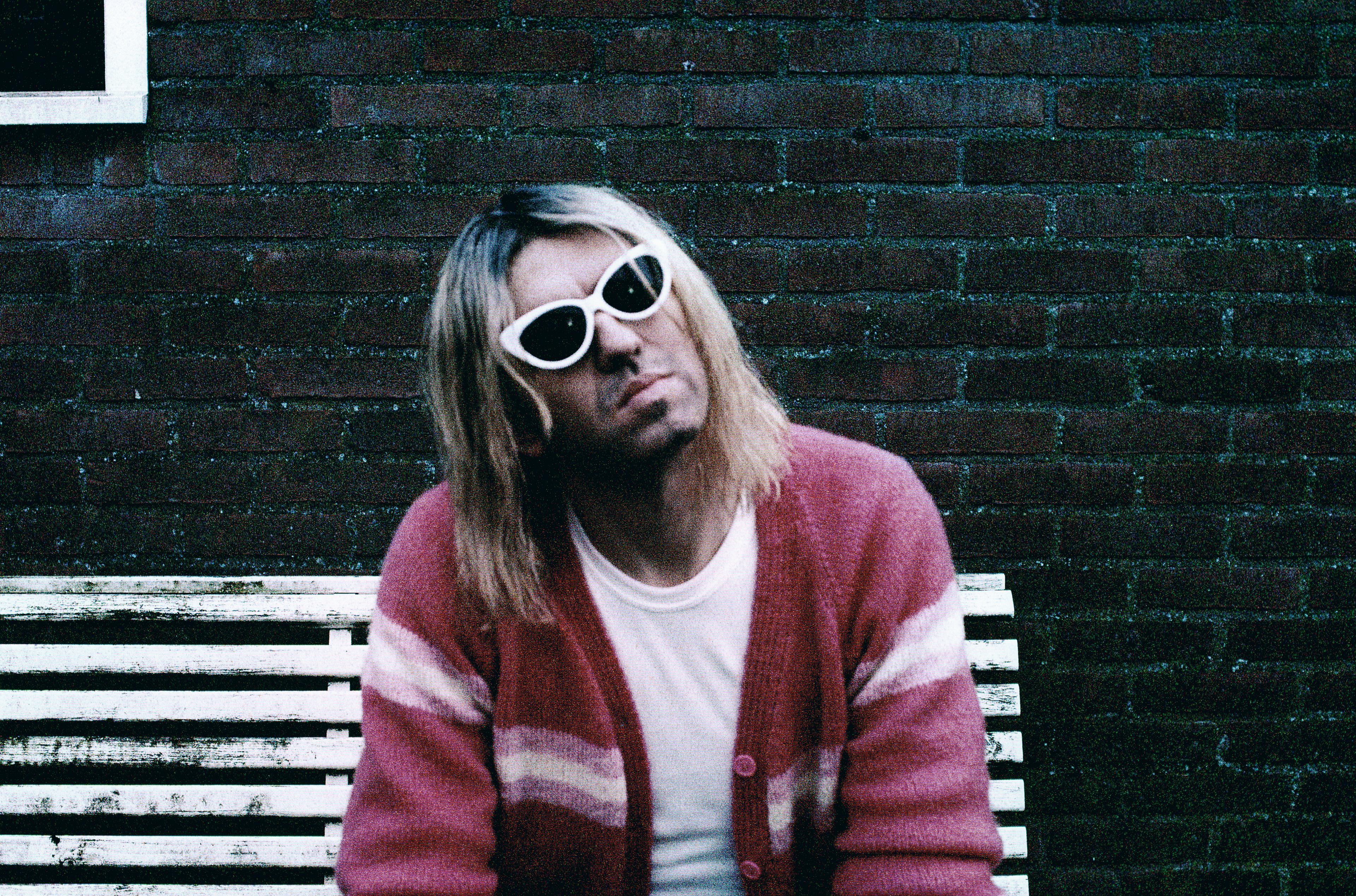
25 Apr 2026 — 23 Aug 2026
Bruce Gilden
Why These?
Bruce Gilden’s photos don’t flatter. They confront. A flash. A stare. A face you can’t forget. His subjects, outsiders, misfits, the overlooked, aren’t just photographed; they’re seen. His exhibition Why These? isn’t just a question about his work. It’s a question about us. Why do these images unsettle? Why do we avoid these gazes but still cannot look away?
Learn more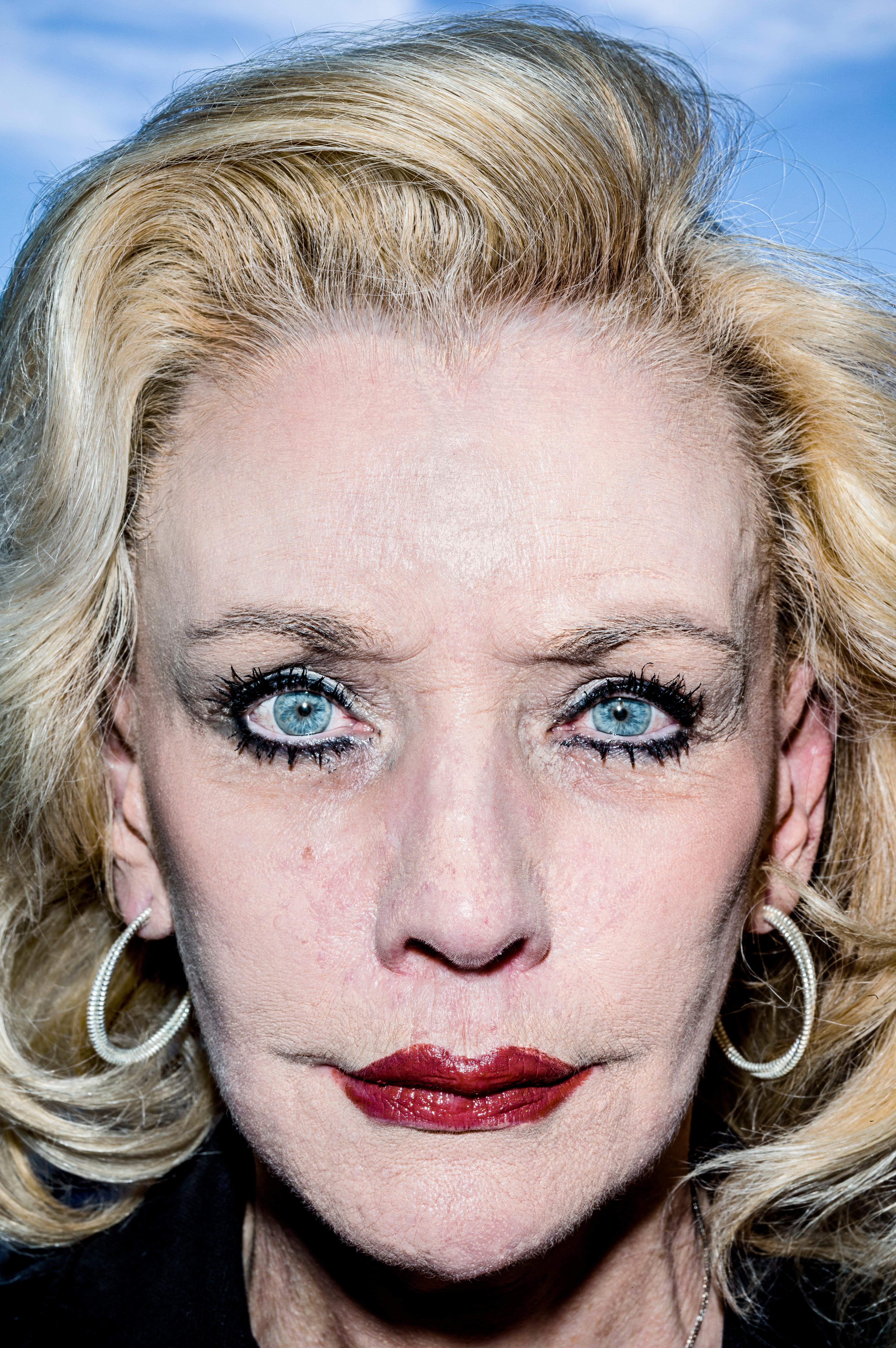
13 Mar 2026 — 14 Jun 2026
Anna Ehrenstein
The Language of the Soil
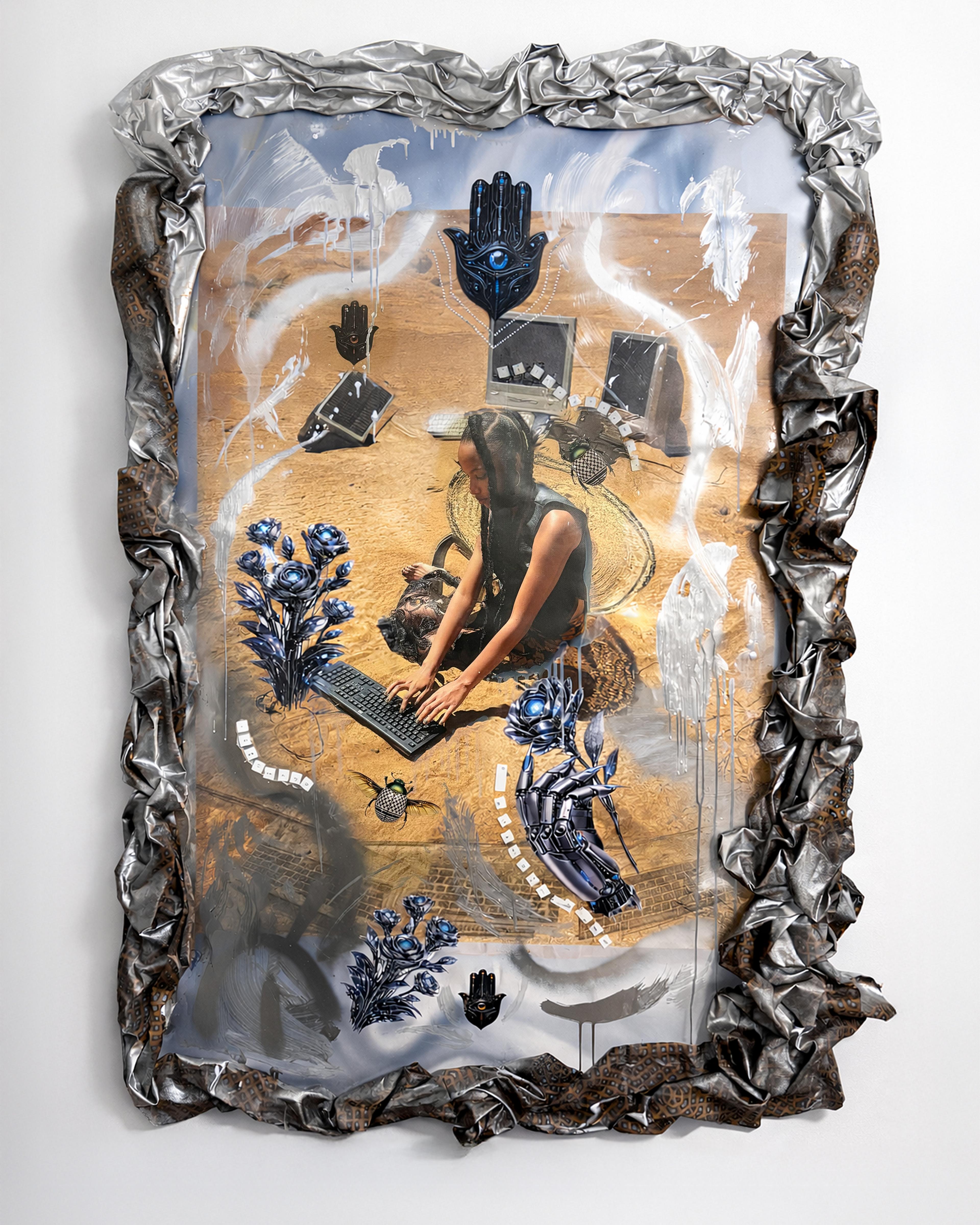
Who keeps AI running – and what impact does this labor have on those who perform it? In a collaboration between multimedia artist Anna Ehrenstein and researcher Ariana Dongus they challenge the myth of artificial intelligence as truly artificial.
Learn more